The COVID-19 pandemic turned the global economy on its head, forcing every industry to adapt or face extinction. And luxury fashion was no exception. As stores shuttered and physical experiences dissolved, ecommerce surged as the only viable channel to connect with consumers. Luxury fashion brands, long reliant on exclusivity and in-person interaction, faced an unprecedented reckoning: embrace digital transformation or risk irrelevance.
Fast-forward to 2025, the landscape of luxury ecommerce has stabilised but remains fraught with challenges. The meteoric rise of online luxury sales during the pandemic has slowed, and luxury brands are now faced with the challenge of simultaneously appeasing both the in-store customer and bringing the luxury shopping experience online for the ecommerce converts.
In this post, we examine the pivotal moments of the past five years, the state of luxury ecommerce today, and what separates the winners and losers in this sector.
The pandemic surge: a double-edged sword
In the past, many luxury brands have resisted the digital shift, citing concerns over brand dilution or the inability to replicate luxury experiences online. But the onset of the COVID-19 pandemic in 2020 forced attitudes to change. Ecommerce offered a lifeline to luxury brands, and platforms like Net-a-Porter, Farfetch and even direct-to-consumer websites saw explosive growth.
But 2024 saw a harsh reckoning for luxury ecommerce. By 2023, physical stores had fully reopened. As consumer behaviour normalised the luxury ecommerce boom slowed, paving the way for a bruising downturn that exposed weaknesses within the sector, from rising marketing costs to intensifying competition. FarFetch went into liquidation early last year, and other luxury ecommerce brands soon followed. And yet, ecommerce’s convenience and global reach ensure it remains a cornerstone of luxury retail, with projected growth until 2030. So how does an industry that has long relied on the in-store experience make ecommerce work?
The luxury ecommerce landscape in 2025
Well, it may not be as difficult as you think. According to Internet Retailing’s Global Luxury Report, Millenials make up the largest single group of shoppers for luxury, accounting for 26%. Surprisingly, younger Gen Z shoppers are the second largest demographic, a group well-used to conducting the majority of their shopping activity online and luxury is no exception.
Social selling
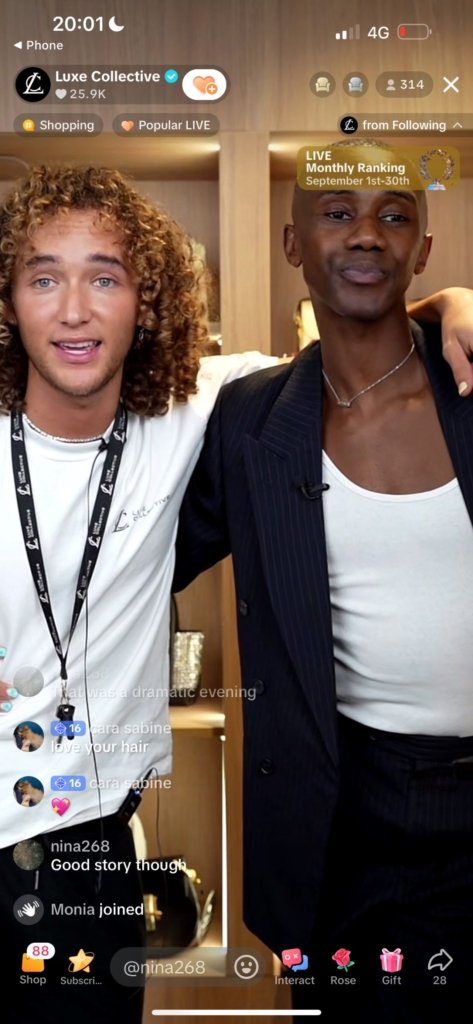
With the younger demographic taking over the sector, it’s no surprise that we’ve seen a rise in social selling and the adoption of new digital channels. A few years ago the thought of purchasing high-ticket, luxury items via livestream may have produced gasps of horror, but in 2025 we expect to see live shopping surge thanks to one platform in particular: TikTok.
Luxe Collective made headlines recently when they sold two Chanel bags worth over £12,000 via a live shopping stream. This demonstrates a clear shift in consumer behaviour towards social shopping, online shopping in general, and the rise of Gen Z in the luxury space. Live shopping channels have long been viewed as outdated and maybe even irrelevant, but this channel allows brands to connect with their target customers and build the sense of online community that Gen Z craves.
Personalisation
Luxury retail has always relied on hyper-personalisation, and thanks to AI, ecommerce brands can tailor online shopping experiences. From curated product recommendations to bespoke customer service interactions, brands can leverage advanced data analytics to anticipate customer preferences and set themselves apart. Email marketing is also a great channel for delivering personalised experiences and nurturing customer loyalty, as campaigns can be built around past purchases, browsing history, and interests.
Digital storytelling
Storytelling remains integral to the allure of luxury, as does brand identity and heritage. Website content, from homepage copy to blog posts, should be viewed as an opportunity to create an exciting brand experience, share the stories and ideas behind product designs, and cultivate a unique tone of voice. Plus, it can increase organic traffic if written with SEO in mind. Video and imagery can also be used across all digital channels to create immersive digital experiences.

Lessons we can learn from luxury ecommerce giants
What separates the thriving luxury ecommerce players from those struggling to keep up?
Here are five key differentiators:
Investment in technology
In ecommerce, you’re only as good as your platform. Brands who are leading in luxury ecommerce are investing heavily in tech, from their websites to software integrations. Technology is not a supplement but a cornerstone of modern luxury. Take Victoria Beckham Beauty, for example. Built on the Shopify Plus platform, the site features smooth, scroll-through storytelling for individual products and custom animations to create an interactive experience.
Seamless logistics
One of the key advantages of buying online is convenience. Luxury consumers are discerning, and expect flawless service, including fast, secure, and beautifully packaged deliveries. Logistics excellence is non-negotiable. The right tech stack also plays a role in logistics, as brands utilising inventory management software and integrations can deliver fast, seamless shipping experiences that allow customers to select specific arrival dates and timeslots.
Exclusive digital offerings
Limited-edition products and digital-first launches keep online shoppers engaged. Offering online exclusives incentivises consumers to shop via the website, without damaging in-store sales.
Sustainability and ethics
Consumers increasingly demand transparency and responsibility. Brands championing sustainable practices—from eco-friendly packaging to circular fashion initiatives—win favor, particularly with Gen Z and Millennial shoppers. Sustainability is now a key driver of luxury purchases. According to research conducted by Internet Retailing, 46% of shoppers globally are looking to purchase sustainable luxury clothing and 28% secondhand luxury clothing. Sustainability is prominent throughout the Barbour website, which promotes pre-loved and repair initiatives.
Wondering how to embrace technology while staying true to your roots? We have a wealth of experience working with luxury ecommerce brands across the fashion, homeware and travel sectors – send us a message to see how we can help.
