
The world of ecommerce is more competitive than ever, and that’s not going to change any time soon. So when it comes to converting website visitors into paying customers, online retailers should leave no stone unturned.
In this blog post, we’ll delve into the ways you can improve ecommerce conversion rates, covering everything from product page optimisations to website integrations.
1. Optimise product display pages
Product Display Pages are where browsing turns into buying (or not!). There are a few key components that can make or break your product pages:
Product images and videos
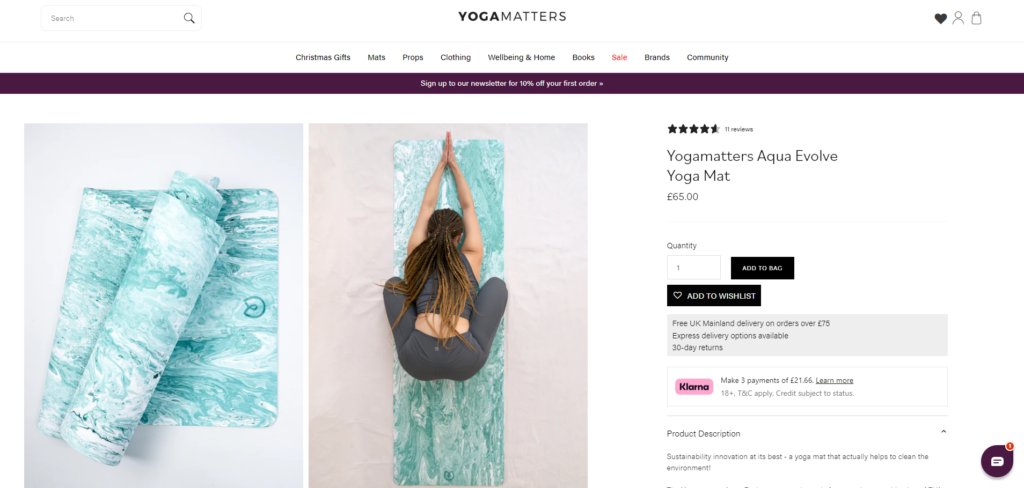
Ensure all your product images and videos are of high quality and showcase the item in the best possible light. Use a mix of ecommerce and lifestyle shots where possible to give potential customers the full picture.
Product descriptions
Your product descriptions should highlight key features and benefits. The most important information should be summarised into a few bullet points for easy readability, such as dimensions, materials and weight. To boost organic visibility, integrate relevant keywords into product copy to attract organic traffic (but make sure to weave them in naturally).
Social proof and reviews
Potential customers are more likely to convert if they can read product reviews before buying. In fact, 95% of consumers read reviews before buying a product. Make reviews and user-generated content a part of your product pages to build trust and give customers some peace of mind.
2. Streamline the checkout process
A faulty, complex or long checkout process will increase cart abandonment. To encourage as many checkout completions as possible, it must be quick and seamless. Use clear progress indicators for each step of the purchase to show customers how close they are to completion, but keep the number of steps involved to the absolute minimum wherever possible. Here are a few ways to speed up the process:
Guest checkout options
Allow customers to complete transactions without creating an account or having to log into an existing one. Having to go through the process of filling out a form and activating an account may be off-putting to customers who are looking for convenience. Offer account creation at the end of the checkout process to encourage repeat purchases and email subscriptions.
Autofill and validation
Incorporate auto-fill for payment and address details to speed things up, and use real-time field validation to reduce errors and frustration.
Multiple payment options
Accept a range of payment methods, including buy now, pay later services like Klarna. Mobile payment gateways like Apple Pay also offer a speedier payment process, so make sure these options are available.
3. Utilise integrations
There are many useful integrations and third-party apps available to ecommerce merchants. Shopify, for example, offers over 1000 of them in its dedicated app store, covering everything from inventory management to review platforms like Trustpilot. We’d recommend using integrations to enhance the following aspects of your website:
Live chat and chatbots
AI-powered Chatbots provide 24/7 customer support and can give quick answers to commonly asked questions. While they can be a great way to lessen the workload of your customer service team, make sure human intervention is enabled for more complex queries via live chat options.
Wishlist and save for later
Allowing customers to save products for later can reduce bounce rates and encourage return visits. Wishlists make it easier for potential customers to find the products they like, increasing the likelihood that they will come back to purchase them later. You can also set up email automations to remind users that they have products in their wishlists and to create a sense of urgency.
Personalisation tools
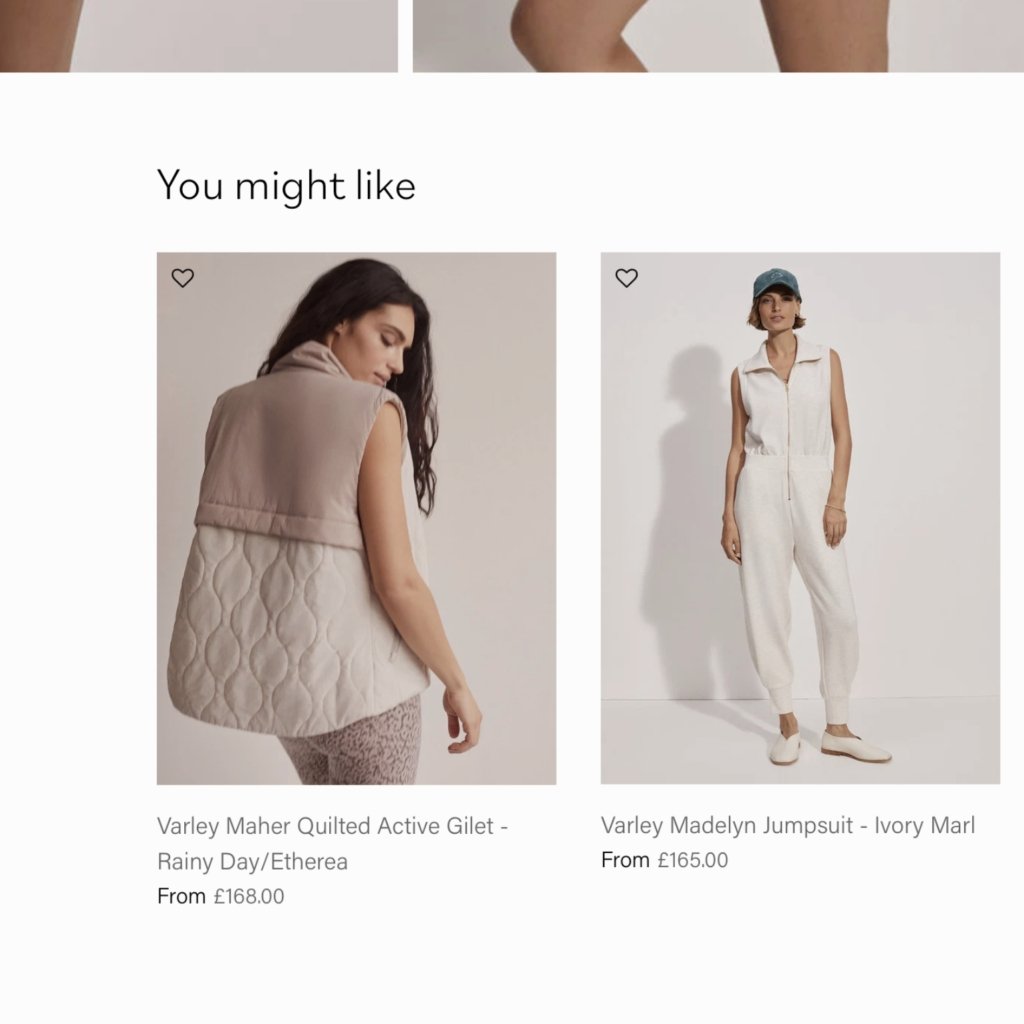
AI integrations can also be used to deliver personalised product recommendations based on browsing behaviour, and to highlight recently viewed items to encourage a second look.
4. Optimise for mobile
Many online purchases now take place on mobile devices. Failing to optimise your website for mobile will undoubtedly cost you sales and your conversion rate will take a hit. Make sure your theme and storefront are fully responsive, text is readable on smaller screens and buttons are touch-friendly. If your site isn’t mobile-friendly, it’s time for a redesign.
5. Be transparent
Failing to be transparent about your business policies or pricing will only cause potential customers to abandon their baskets before checking out.
Shipping costs
Display total costs upfront, including shipping and taxes to avoid surprises. Offer free shipping thresholds for orders above a certain value to incentivise buyers and make sure this offer is prominently displayed.
Return policies
Have a dedicated landing page on your website to detail your return policies and any attached fees to ensure customers have access to this information before making a purchase.
Sustainability
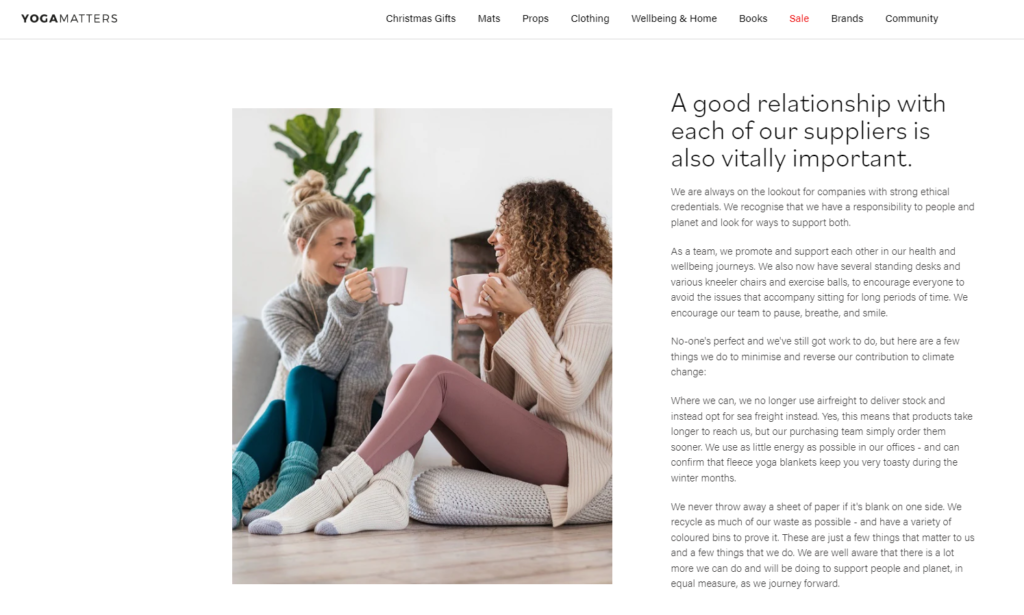
Be honest about your sustainability practices and any measures you are taking to lower your business’s impact on the environment. State your business values and ethos, and avoid greenwashing.
6. Cater to international markets
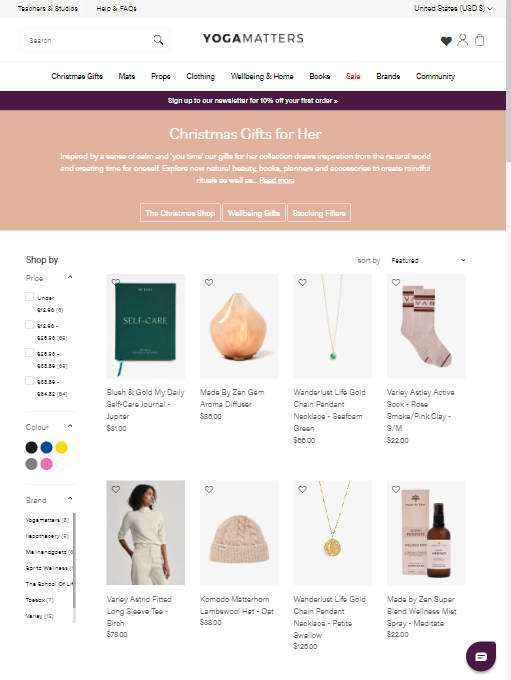
If you sell in multiple countries, adapting your site to specific markets can drastically improve conversion rates across the globe. Using native languages and currencies for international customers saves them time and effort having to translate or convert these things themselves, and also makes them feel more valued by your brand. If you’re a Shopify user, this is made easy thanks to Shopify Markets, which allows users to customise themes, domains, currencies and more from one dashboard.
7. Test, test, test
A/B testing can be incredibly helpful when trying to boost conversions, as it will provide valuable insights into the behaviour and preferences of your target audience. Behaviour and analytics tools like Hotjar will show you where users move, click and scroll on your website via heatmaps and recordings, allowing you to see exactly where you’re going wrong.
Putting time, effort and money into marketing your ecommerce business but not seeing conversions? We can help with that – send us a message to get started.
