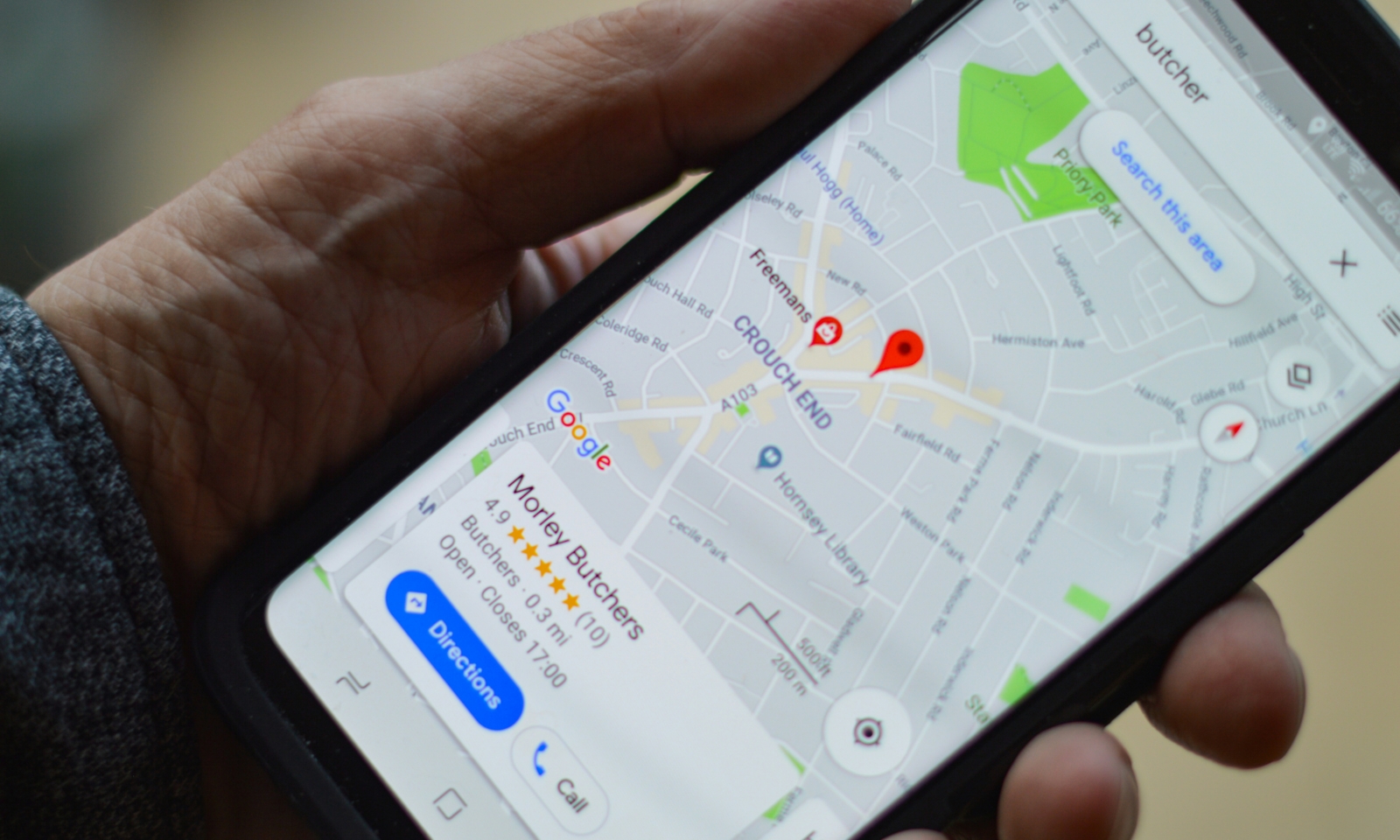
While traditional SEO focuses on improving your website’s visibility on a national or global scale, local SEO hones in on boosting your presence within specific geographic regions.
For small businesses, this distinction is crucial to their success. But that doesn’t mean larger businesses can’t benefit from a local SEO strategy too.
In this post, we explain exactly what local SEO is, how it works, and how you can implement a local SEO strategy to boost traffic and conversions.
What is local SEO?
Local SEO is the process of optimising your online presence to attract more business from relevant local searches. These searches occur on Google and other search engines. People looking for services “near me” or within a specific city or region are prime targets for local businesses. By optimising your website and online profiles for local search, you ensure that your business appears in front of these high-intent searchers.
Why local SEO matters
Increased online visibility: the primary goal of local SEO is to increase your business’s visibility in search engines, specifically within your local area. A well-executed local SEO strategy significantly increases your chances of attracting nearby customers.
Higher conversion rates: local searches often lead to higher conversion rates compared to broader searches, because they tend to be more specific. Don’t be put off by lower search volumes. When users search for a local service or product, they are usually ready to make a purchase or visit a shop.
Builds trust and credibility: a strong local SEO presence helps build your business’s credibility within your community. A well-maintained Google My Business profile, positive customer reviews, and accurate local citations make your business appear reliable and trustworthy.
Outpace local competitors: local SEO allows small businesses to compete with larger corporations by focusing on specific niches or geographic areas. While big brands may dominate national or global search results, small businesses can carve out their own space by optimising for local searches.
How local SEO works: base principles & examples
E-E-A-T
In 2024, the Google algorithm changed significantly, favouring what is referred to as E-E-A-T: experience, expertise, authoritativeness and trust. The search engine now prioritises only the results most relevant to the user’s search query. A side effect of this is an increasing reliance on localised content.
Local landing pages should form a part of your site structure and SEO strategy. For brands operating across multiple locations, this will help more users find your website.
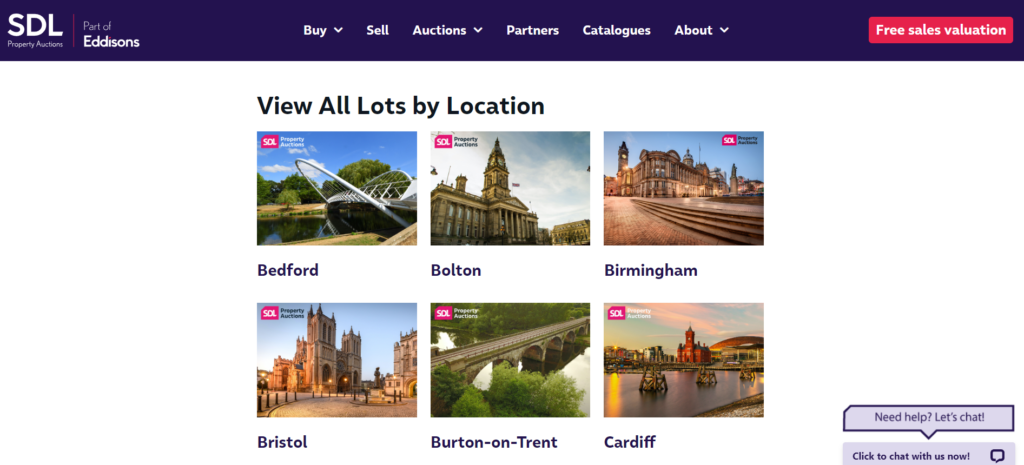
For national property auctioneer SDL auctions, local SEO is integral to the success of the business, allowing users to find the properties most relevant to their criteria.
Following a thorough content audit in 2023, we identified drops in SDL’s organic traffic. A content strategy was then devised, focusing on several key areas, including location pages. We began to work through optimising existing location pages and created more where sufficient search volume and relevance had been identified, targeting terms such as ‘Nottingham property auctions’ and ‘property auction Birmingham’. These pages collate all of the properties currently up for auction within that specific area, allowing users to browse their desired location. This increases the relevancy of the results we can serve them, rather than presenting them with properties all over the country.
This approach has led to a huge boost in organic traffic, for example, organic sessions for the Birmingham landing page increased by 50% year on year, while keywords in the top three positions increased by 20%.
Helpful content
Simplified to mean ‘written by people, for people’, Google’s continued emphasis on creating Helpful Content sees a prioritisation of the user over the search engine.
This means that content that is authentic, helpful and most directly relevant to the search query in question is rewarded above content that has been written just to incorporate keywords.
In recent months, this has also included more updates dissuading the use of AI to create generic and unoriginal content that doesn’t help users and has only been created to service the business in terms of organic visibility.
Location-specific pages can help your site meet Google’s Helpful Content guidelines. In recent months, we’ve noticed that the top organic listings for a variety of generic search queries are location-specific landing pages.
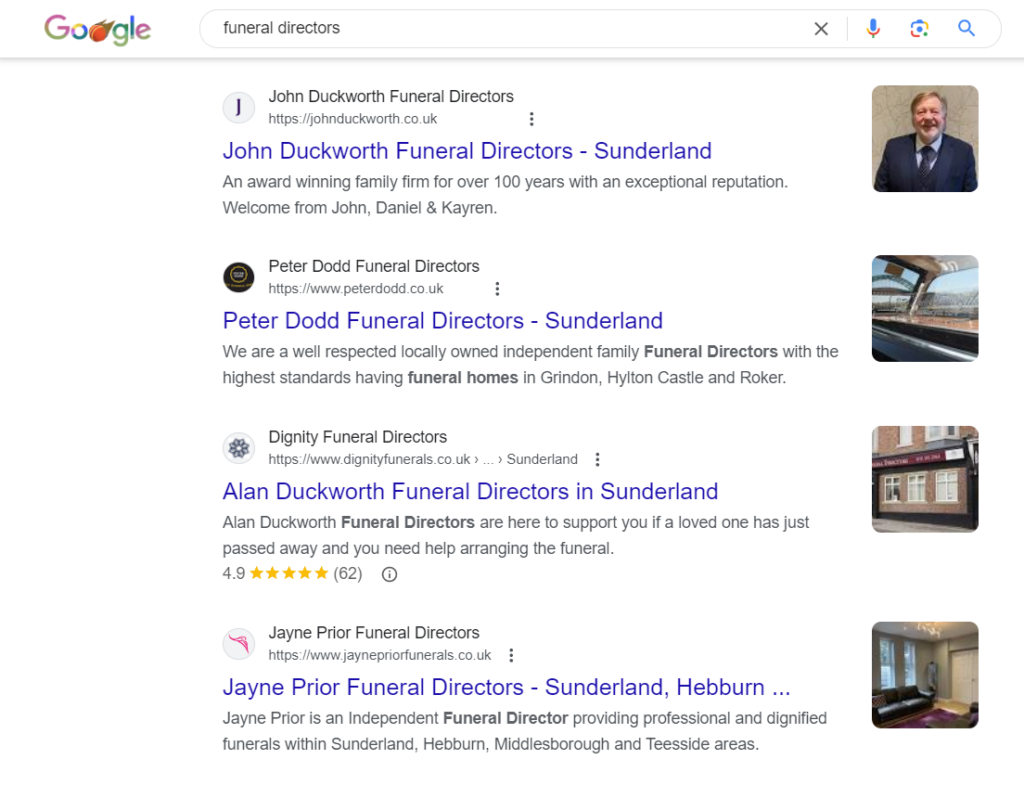
An example of this In action is the funeral sector. We can see from the screenshot below that a search for the generic term ‘funeral directors’, without any location added, returns listings within the location of the user.
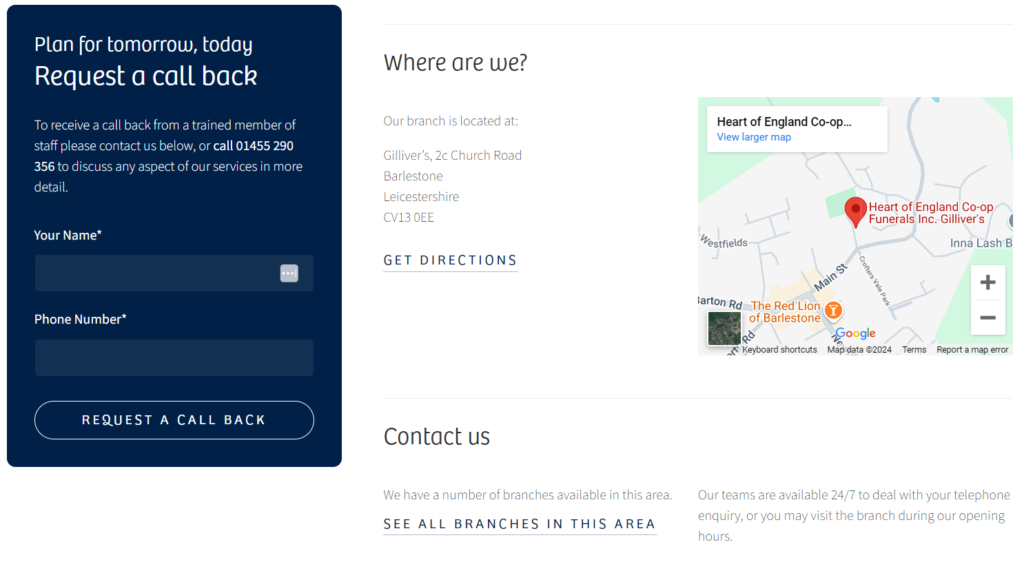
Taking this into account, our SEO and content team devised a content strategy for Heart of England Funerals, creating dedicated landing pages for each funeral home, optimised for location-specific terms. But these optimisations go beyond copy. In 2023, we designed, built and launched a new website for the brand, and in the process ensured that these pages had the best chances of ranking in the SERPs through Google Maps integrations, reviews and contact details specific to location.
As of July 2024, organic sessions across all location pages had increased by 36% year on year, while total users had increased by 35% and event count by 70% respectively.
Local SEO checklist
Optimise your Google My Business profile
If you haven’t claimed and verified your GMB profile, do it now. GMB listings get priority on the first page of local search results and can significantly boost traffic to your website.
Ensure all of the information on your profile is accurate, including your business name, address, phone number, hours of operation, and categories. Upload high-quality photos and encourage customers to leave reviews.
Build up local citations
Submit your business information to local directories, such as Yelp, Yellow Pages, and industry-specific directories. This helps build authority and boosts your local search rankings.
Focus on local content
We’ve seen first-hand the results that localised content can generate. Create content that resonates with your local audience, whether this be blog posts about local events, industry news, or case studies featuring local customers. If you’re operating a larger business that works across multiple locations, create dedicated landing pages for these locations, and incorporate location-specific keywords.
Encourage online reviews
Positive reviews are a significant ranking factor for local SEO. Encourage happy customers to leave reviews on Google and other review sites. Respond to all reviews, both positive and negative, to show that you value customer feedback.
Optimise for mobile
Ensure your website is mobile-friendly. A responsive design that loads quickly on mobile devices is critical for capturing local search traffic.
Struggling to stand out in the SERPs? Failing to drive localised organic traffic? Our SEO experts can help you implement a local SEO strategy that converts. Send us a message to get started.
