Your audience no longer lives in one place. They jump between Instagram and TikTok, browse YouTube, skim email newsletters, search on Google, listen to podcasts and read reviews on third-party sites.
To build a brand that people recognise instantly (and trust instinctively), you must create a unified brand experience across every touchpoint.
Here’s how to do it.
Establish your core brand identity
A strong multi-platform brand begins with a clearly defined core identity.
Before you can communicate consistently, you need foundations that don’t change regardless of where your brand shows up. This includes your brand purpose, your positioning statement, your personality, your tone and voice, and the visual identity that communicates who you are at a glance.
These elements anchor your brand message so that it feels cohesive rather than scattered.
Respect the platform, don’t copy-paste
Consistency doesn’t mean posting identical content everywhere. One of the biggest mistakes brands make is copy-pasting the same message across platforms.
Each channel has its own culture, audience behaviour and content style. For example, TikTok thrives on raw, fast, personality-driven content, while Instagram rewards polished visuals and aspirational storytelling. YouTube is built for depth and education, LinkedIn for clean professionalism and thought leadership, and email for personalised, value-rich communication.
A strong brand will always be recognisable, but the expression should shift to suit the environment.
Build a flexible content strategy
Smart brands take a flexible approach to their content strategy rather than reinventing every post from scratch. Let’s take a blog post, for example. You can take this one piece of content and repurpose it for multiple platforms – TikTok clips, Instagram carousels, or email takeaways. This approach makes content creation scalable and ensures your messaging stays aligned across channels.
Create visual consistency that’s distinctive
Visual consistency is critical.
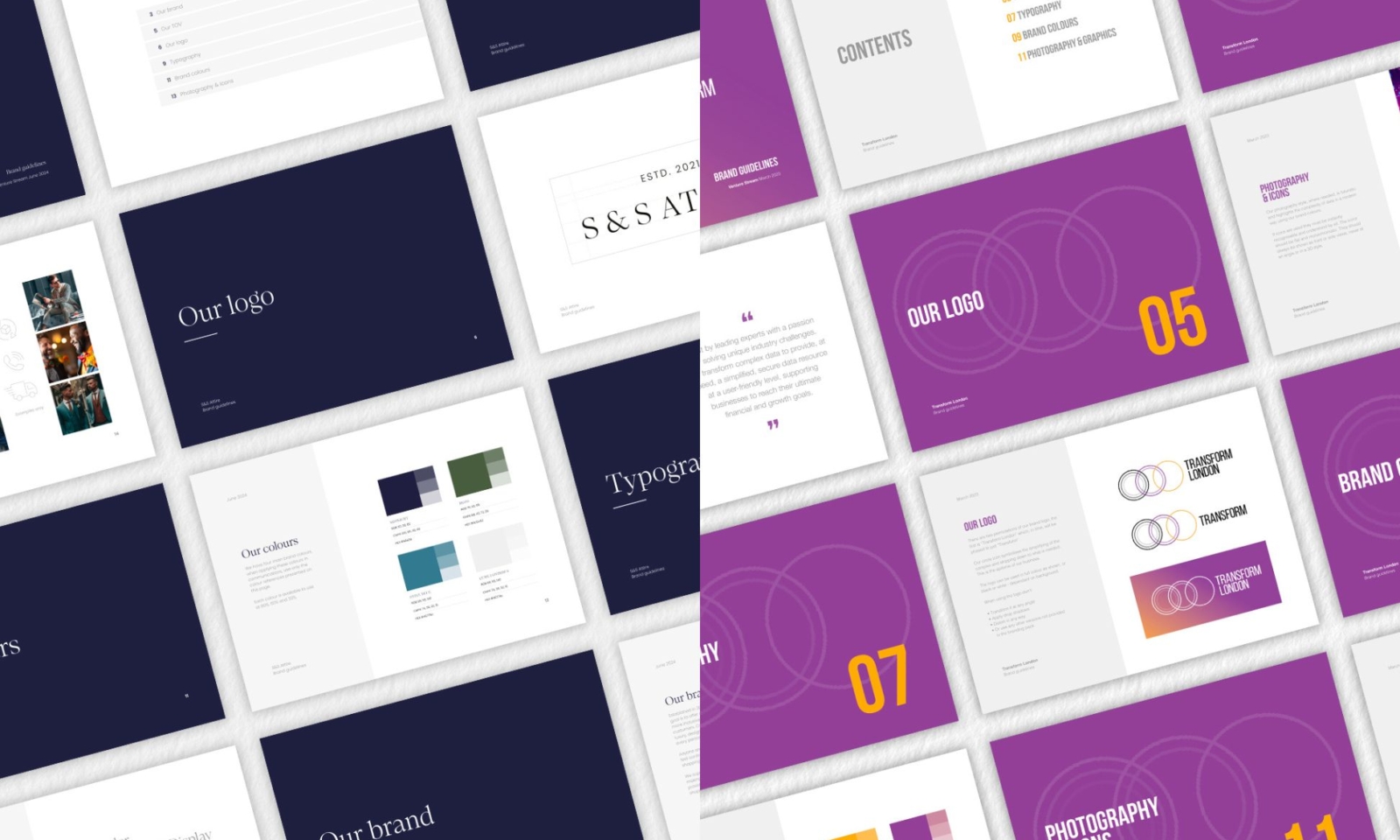
Brand recognition goes far beyond a logo, and happens when you use a unified colour palette, a defined typography system and a consistent photography or illustration style. Having templates in place for social posts, email layouts, thumbnails and even motion graphics can reinforce recognition.
The aim is to stop people mid-scroll because they know a piece of content belongs to you – that’s when your brand identity is doing its job.
Maintain a unified brand voice
When a brand sounds polished on one platform and completely different on another, people notice.
Inconsistency erodes trust, so a unified brand voice is just as important as visuals. To avoid this, create a tone of voice guide that outlines how your brand communicates across long-form content, short-form captions, emails, support interactions, ads and product pages. Include vocabulary choices, examples of what to say and what not to say, and guidelines for adjusting tone based on context.
Use a brand narrative that shows up everywhere
Strong cross-platform branding also relies on a clear narrative. But what do we mean by brand narrative? It’s the story that ties everything together.
Your narrative should appear in your origin story, your mission, your campaigns and your product launches. When the story is cohesive, every message feels like a continuation of a bigger conversation, making your brand far more memorable.
Brand storytelling is particularly important to Gen Z consumers, authenticity and inclusivity in their purchasing decisions. This demographic takes a keen interest in company values, so being open and transparent about where you brand stands on certain issues will help you win their custom.
Create cross-platform touchpoints
Be intentional about guiding people between platforms. Brands grow faster when they create clear pathways, for example, TikTok to YouTube for more in-depth video content. This strategy allows you to meet people where they already are, while leading them towards the platforms where you can build stronger, more meaningful relatioships.
Monitor and audit brand consistency
As your brand gains traction, periodic audits become essential. The most successful brands are the ones that evolve over time, but they do so deliberately. Regular reviews (for example, quarterly), help ensure your tone remains consistent, your visuals stay aligned, your messaging reflects your current positioning, and your campaigns tell a unified story.
When you do make changes to your branding, rolling them out in a controlled manner prevents confusion and strengthens trust.
Align your internal team
Internal alignment is often overlooked. But even the strongest brands fall apart when teams operate without guidance. Ensuring that marketing, customer support, product development, sales and creative partners all share brand guidelines, tone of voice/messaging frameworks, content templates, and approval processes creates consistency. A brand isn’t something your marketing or creative team owns, it’s something the entire organisation is responsible for carrying.
Build community, not just presence
It’s not enough to simply be present, you need to build a community. Algorithms change, formats evolve and platforms rise and fall in popularity, but community endures. Brands that thrive in the long run listen more than they speak, show up consistently, reward loyal followers, highlight user generated content, and foster genuine connection. Platforms distribute your content, but your community amplifies your brand.
For more helpful tips and advice on building a consistent brand identity across platforms, take a look at the above webinar, hosted by our Creative Director Adele.
Still need some help? Just send us a message and one of our Creative Consultants will be in touch.
