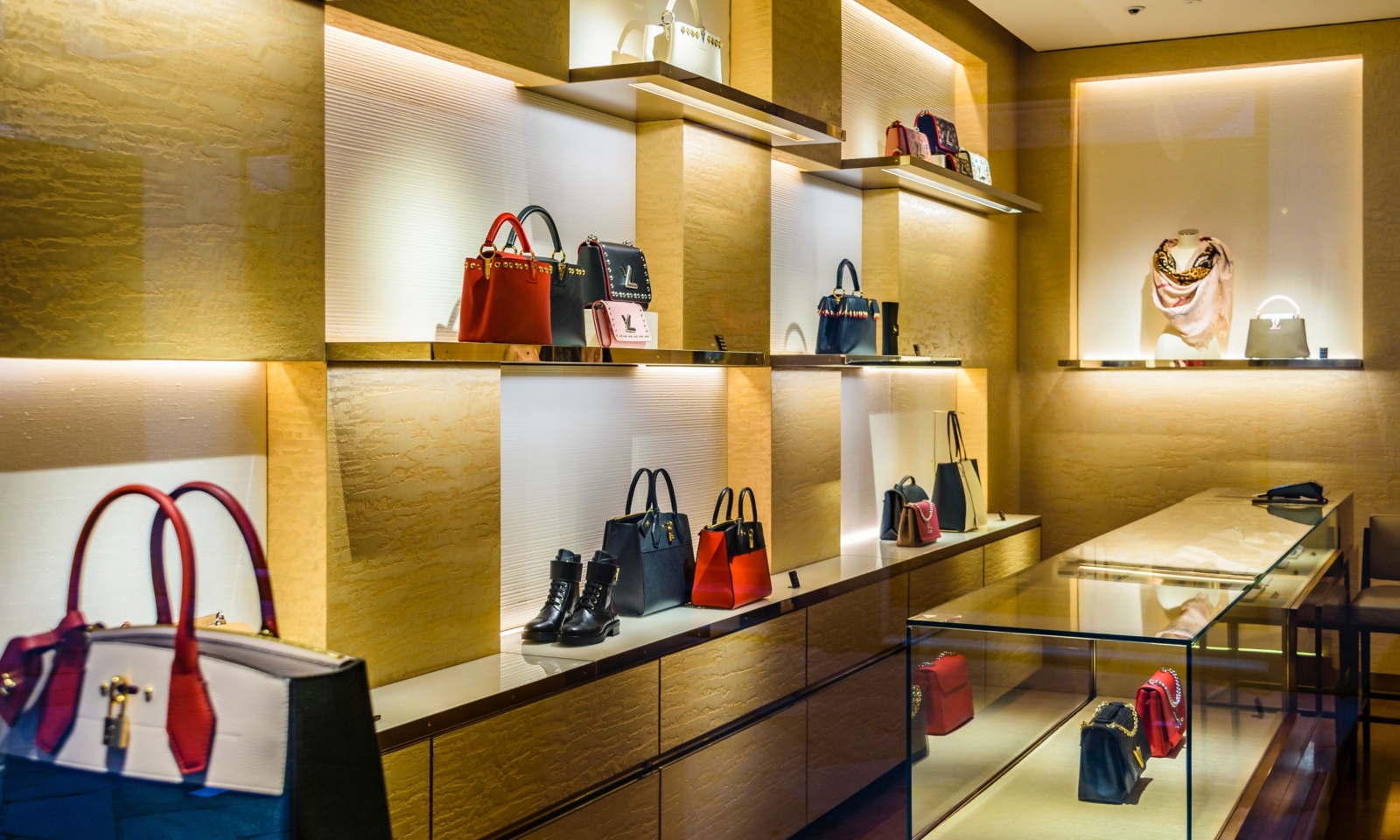
The luxury sector has been undergoing a digital transformation for some time now, with ecommerce playing an increasingly central role in how high-end brands connect with consumers. And the continuing advancement of technology means that 2025 has (so far) been a transformative year for luxury commerce, as brands adapt to changing consumer needs and behaviour, from mobile shopping to sustainability.
In this blog post, we explore the key ecommerce trends shaping the UK luxury landscape using Internet Retailing’s UK Luxury 2025 Report.
73% of UK consumers say that their luxury shopping habits are now driven by sustainability
Sustainability has been a recurring trend across all retail sectors in recent years, but it’s clearly more than a fad. Concerns about the planet and unethical manufacturing practices are continuing to shape the way we shop, and luxury is no exception. In fact, 75% of consumers in the UK are willing to pay between 5% and 25% more for sustainable luxury items.
These concerns are also shaping the way we see and perceive luxury brands – 46% of consumers see luxury brands themselves as being sustainable, and this is one of the key factors driving them to buy from these brands in the first place. The interest in sustainability is also evident in the number of consumers interested in renting or repairing products – a quarter are interested in renting luxury products and over half are looking at repair schemes to increase the longevity of the items they already own.
63% of UK shoppers buy luxury goods on their mobiles
While the luxury goods industry has always relied on a superior in-store experience, technology is driving UK luxury shopping. The pandemic was a big catalyst for the shift towards ecommerce in general, but with a growing cohort of digital natives among today’s luxury shoppers, the adoption of mobile commerce was inevitable.
The tech-savvy UK audience is inspiring many luxury brands to look at how they use technology, such as augmented reality and AI, to deliver exceptional digital experiences to an increasingly mobile-first customer base. And this isn’t restricted to their own websites either, 62% of consumers have interacted with luxury brands via social media on mobile in some form, and 9% have even purchased through social platforms.
UK shoppers see luxury as being better value for money
With unease around the economy, you might think that consumers would be put off by the higher price tags that generally come with luxury goods. But research carried out by Internet Retailing would suggest that this just isn’t the case.
Many shoppers view luxury as being better value for money than mainstream or budget-friendly alternatives. Spending more on a single item that will last longer and also has inherent resale value is seen by many as a better path than spending less on fast fashion items. Repair schemes offered by luxury brands are also driving this, as consumers feel better about parting with money if they know the item can last many years.
Younger consumers are increasingly shopping for affordable luxury
Domestically, the client base for luxury goods is growing thanks to greater numbers of younger shoppers viewing luxury goods as both a sustainable and affordable way to shop for fashion.
Younger shoppers are increasingly shopping for affordable luxury from online outlets, and many are buying vintage luxury. The UK’s advanced digital status has led to a surge in online marketplaces that cater to this vintage market while servicing the secondhand market. This has led to a surge in first-time purchasing of luxury goods, making high-end labels more accessible to those with less disposable income. The emergence and consumer embrace of affordable luxury is what, in part, is driving the rise of mobile commerce in the sector. This type of shopper is more concerned with value, rather than the performance aspect of the luxury in-store experience.
Groceries make up 64% of luxury purchases in the UK
While fashion and apparel make up a huge percentage of luxury purchases, you may be surprised to find that luxury grocery is a highly popular category in the UK. According to a ConsumerX survey carried out in 2025, 64% of shoppers said that they had purchased luxury groceries in the past 12 months, putting the category ahead of fashion and apparel. This may tie in with the rise of health and wellness, as fitness and nutrition goods are becoming increasingly popular, and luxury items are viewed as better quality and more nutritious. Luxury grocery brands are also more likely to cater to more niche wellness trends and offer specialised products or ingredients. To put this into perspective, the wellness sector currently generates €220bn annually in the UK, making the country the fifth biggest market in the world.
Driven by millenial and older GenZ consumers, health and wellness is on the rise globally. Pair this with the demographic’s increasing love of luxury goods and we’re seeing this part of the market set for substantial growth. Grocery brands should capitalise on this by making sure their website can effectively cater to the younger, digital-savvy shopper looking for a mobile-first, convenient shopping experience, whether this be via subscription models or bundle builders.
It’s (still) all about the customer experience
According to survey data from ConsumerX, 57% of consumers in the UK say that they get better customer care from luxury brands compared to non-luxury brands.
But how can merchants bring the luxury retail experience online? Luxury shoppers expect a tailored experience. Hyperpersonalisation can help brands achieve this online by analysing real-time data (like engagement patterns and customer behaviour) to better understand and respond to individual preferences. This could be via product recommendations, dynamic content or personalised offers.
Retailers operating both ecommerce and brick-and-mortar stores should also ensure that the online and offline experiences are seamlessly merged. By using relevant customer data, brands are able to create meaningful interactions across multiple customer touchpoints, rather than just focusing on getting transactions, which is what the luxury shopping experience is all about. With the right tools and platforms in place, your team will have enough insights to drive engagement, trust and revenue, but you can only achieve this with a unified commerce strategy. If your systems are disjointed and not working in tandem, the customer experience will suffer.
Struggling to recreate the luxury in-store experience online? Ecommerce website not converting luxury consumers? We have experience working with multiple luxury ecommerce brands – get in touch and we’ll show you where you could be going wrong.
