Launching a new website is an exciting step for any brand, but to make a lasting impression, you need more than just a beautiful design and functional shopping cart.
Content is the backbone of a successful site—it’s what helps you connect with your audience, establish trust, and drive organic traffic.
We’ve curated all of the must-have content elements for a successful website launch in this content checklist.
1. Brand story & about us page
Your brand’s story is one of the most powerful tools for connecting with customers on a personal level. The About Us page is where you can introduce your brand, share your mission, values, and the journey that led to creating your products. Gen Z in particular want to know about a brand’s story and morals, with 90% of the demographic saying would prefer to buy from brands that produce goods sustainably, and 75% saying they’re more likely to purchase products when a portion of the sale goes to charity.
Tips:
- Be authentic and personal—share the “why” behind your brand
- Focus on the value you bring to your customers, not just the brand history
- Include a section or dedicate a page to share your sustainability practices and explain the steps you’re taking to create a more ethical business. If you support any charities, you could talk about this too, giving potential customers a glimpse into the issues that matter most to your brand and team.
2. Homepage content
The homepage is your website’s front door, so make it engaging and your copy clear. It should offer an overview of what you sell and who you are, while also providing a great user experience that guides visitors to take the desired action.
Essential elements:
Unique value proposition (UVP): in one or two lines, summarise what makes your brand unique, and what you can provide that other brands can’t.
Call-to-actions: homepage buttons should have clear and relevant call-to-actions that make the customer journey simple and seamless.
3. Product descriptions
Product descriptions should inform and entice. While it may be tempting to copy and paste duplicate content to save time, product pages play a crucial role in convincing a customer to make a purchase, and product copy should therefore be given attention and care. Make sure every product description highlights the key benefits and unique features of the item in question. Not only will unique product copy improve the quality of your PDPs, it also provides an opportunity to optimise your product pages for organic search.
Best practices:
- Focus on the benefits (how it improves their life) as well as the features
- Include technical details where necessary, but avoid jargon that may confuse readers
- Summarise key pieces of information in bullet points (dimensions, materials, washing instructions, etc.)
- Mark up product pages with structured data so that search results can show product information in richer ways (price, availability, review ratings)
4. Collection page copy
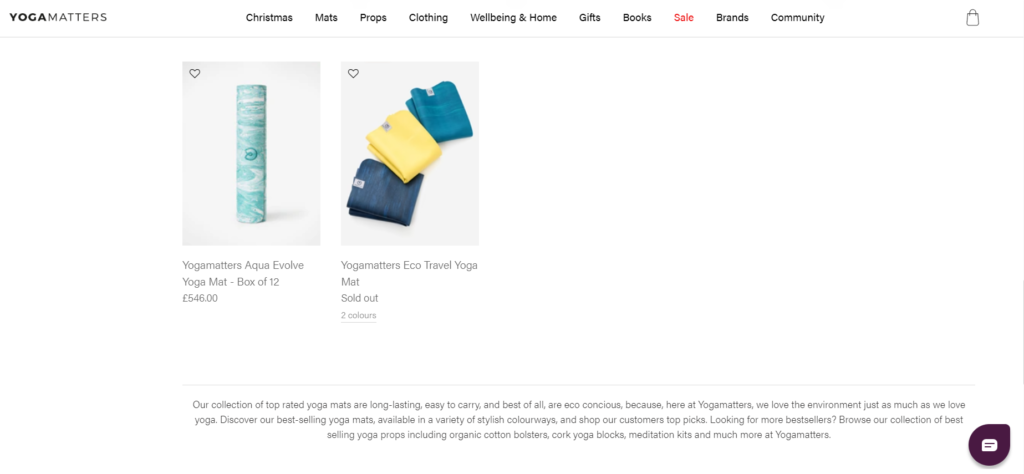
Collection page copy is essential for guiding customers to the right products, improving user experience, and boosting organic visbility. By providing concise, engaging descriptions of the products in a collection, this copy helps shoppers identify whether the collection meets their needs. Category descriptions can also be used to cover unique selling points and address specific customer interests or trends.
It sets the tone for the brand, reinforces its value propositions, and can address specific customer interests or trends. Well-optimized collection page copy also uses targeted keywords, helping the page rank higher in search results and attracting more organic traffic.
Tips:
- Optimise for search engines: weave targeted keywords into your collection copy to help the page rank higher in search results and attract more organic traffic
- Utilise space: use both the top and bottom sections of your product pages to ensure you’re able to cover all of the information and keywords you need to without overcrowing one part of the page with text
5. FAQs page
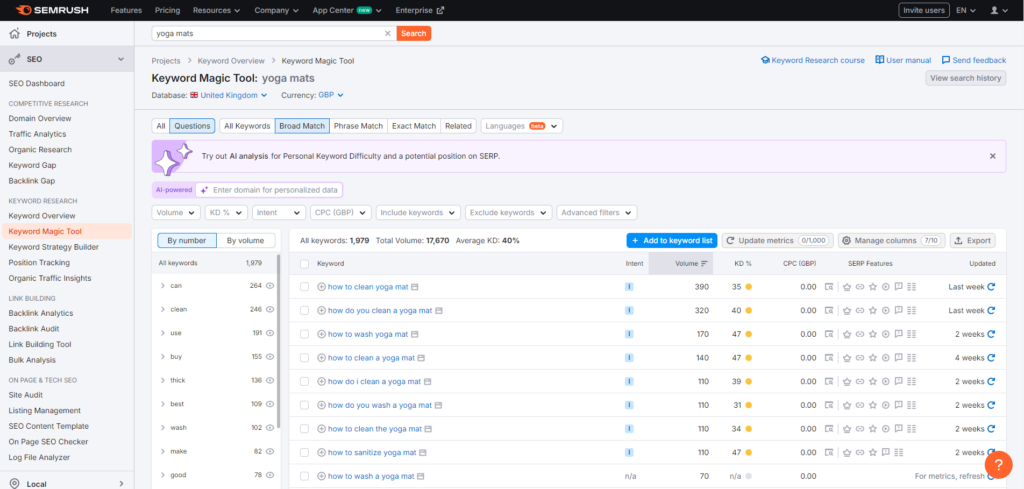
A well-written FAQ page saves time for both your customers and your support team. It should address common questions about products, shipping, returns, and policies. You can also incorporate commonly Googled questions related to your products or services to boost organic visibility.
Tips:
- Group questions by topic (e.g., shipping, returns, product info) for easy navigation
- Be clear and concise (but keep the tone friendly)
- Update regularly based on real customer inquiries and feedback
- Perform keyword research to find commonly searched questions. Tools like SEMrish allow you to filter keywords to show only questions.
6. Policies: shipping, returns and privacy
Transparent policies build trust and set clear expectations for your customers. Make sure these pages are easy to find and cover all essential information.
Key policies to include:
- Shipping policy: outline estimated delivery times, costs, and any international shipping details
- Return/refund policy: clearly state your return process, eligibility criteria, and any associated fees
- Privacy policy: explain how you collect, use, and protect customer data
7. Blog content
Blogging helps with SEO, builds authority in your niche, and keeps customers engaged. Share valuable content that aligns with your products and audience interests. Use keyword research but remember to write for people rather than for search engines.
Ideas for blog posts:
- Product how-tos and styling guides
- Industry trends or seasonal topics
- Behind-the-scenes stories or interviews with team members
8. Contact information and support
Make it easy for customers to reach out with questions or issues. Clearly display contact options, such as an email address, phone number or link to live chat.
Essential elements:
- Contact page: include a simple form and response time expectation
- Live chat: offer real-time assistance if possible (especially during peak hours)
- Social media links: make sure your social profiles are linked, so customers can connect with you on other platforms
9. SEO-optimised content
SEO drives organic traffic to your website, helping customers find you through search engines. Ensure your content is optimised with relevant keywords and metadata.
SEO essentials:
- Meta titles & descriptions: include these on every page with keywords and compelling copy. Meta titles should be between 50-60 characters, while meta descriptions should be between 155-160 characters long
- Headings: use H1, H2, and H3 tags to structure your content and improve readability
- Alt text for images: write descriptive alt text to help search engines understand your visuals and improve accessibility
Need some help launching your new website? We have experience creating award-winning websites for brands like yours – get in touch to see how we can work together.
