
While the importance of social media, SEO, and email marketing are well acknowledged in the marketing world, blogs are often overlooked. But they can be powerful tools when it comes to driving sales and revenue.
When strategically utilised, a blog can be a cornerstone of an ecommerce business’s content marketing strategy, driving traffic, boosting conversions, and fostering customer loyalty.
In this post, we’ll take a look at the ways a blog can be a big revenue driver for your ecommerce business, with some examples of what we’ve achieved for our own clients.
How do blogs drive revenue?
Enhanced search engine visibility
One of the primary benefits of maintaining a blog is its impact on SEO. Search engines like Google prioritise fresh, relevant, and high-quality content. By regularly publishing blog posts that target relevant keywords and answer potential customers’ questions, ecommerce businesses can significantly improve their search engine rankings.
Higher search rankings translate to increased organic traffic, which is crucial for sustained growth. Unlike paid ads, organic traffic is free and often brings in more engaged visitors who are actively seeking information or products related to your offerings.
Brand authority and trust
A blog is an excellent platform for showcasing your expertise in your industry. By providing valuable insights, tips, guides, and in-depth information, you position your ecommerce brand as an authority in your niche. Customers are more likely to trust and buy from businesses that consistently demonstrate knowledge and expertise.
Supporting the buyer’s journey
A well-planned blog can play a critical role in guiding potential customers through the various stages of the buyer’s journey—awareness, consideration, and decision. Each stage requires different types of content to address the specific needs and concerns of the customer.
Encouraging repeat purchases
A blog can also play a vital role in customer retention. By providing ongoing value through helpful tips, expert advice and useful updates, you keep your customers engaged and remind them of your brand. This continuous engagement can encourage repeat purchases and nurture long-term loyalty, especially if customers come back to your blog time and time again for inspiration and guidance.
How to convert blog traffic into conversions
Keyword research
Conduct keyword research to identify relevant topics and incorporate those keywords naturally into your blog content. Focus on long-tail keywords that closely align with your niche and customer needs, as these will allow you to create detailed blog posts that cover specific issues and interests in depth.
You can use SEO tools like Ahrefs and SEMrush to do this. These tools will also label keywords by intent, of which there are four types: informational, navigational, commercial and transactional. When devising a blog strategy, look for informational keywords to target. Users searching for these terms are usually looking for answers to a specific question, and your blog is the perfect place to answer it.
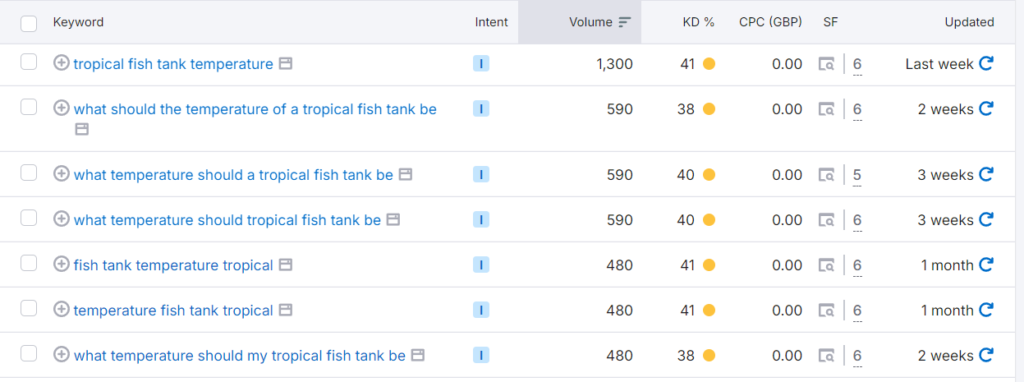
Answer questions & solve problems
As you can see from the screenshot below, our content team used keyword research, taking long-tail informational keywords to inform the blog content strategy for our client Aquacadabra. Aquacadabra sells specialist equipment for fish tanks, from aquariums to food.

By developing content that addresses common questions and pain points of Aquacadabra’s target audience, we can use the blog to provide solutions, offer advice, and guide them through their buying journey, cementing the brand as a trustworthy and reliable source, increasing the likelihood that website visitors will make a purchase.
Think about the user journey
It can also be helpful to map out the buyer’s journey for your products and create a content calendar that addresses each stage. Blogs are particularly effective for targeting consumers during the awareness and consideration phases, when they are researching their problems and questions, and looking for the right products to provide the solution they need. This is your chance to introduce them to your brand through educational content such as detailed guides, in-depth articles and expert opinions. Display the benefits of your products in relation to these problems and questions, curate product guides and comparisons, and make thoughtful product recommendations.

Take a look at two of the more recent blogs we created for Aquacadabra above. Two problems are being solved here, and two questions answered: how to reduce nitrate levels in a fish tank and how to keep your aquarium cool in summer. By producing this type of content, users get more help in the research-phase, particularly those who don’t know what to buy, or the products need to resolve the issue they’re having.
Integrate products
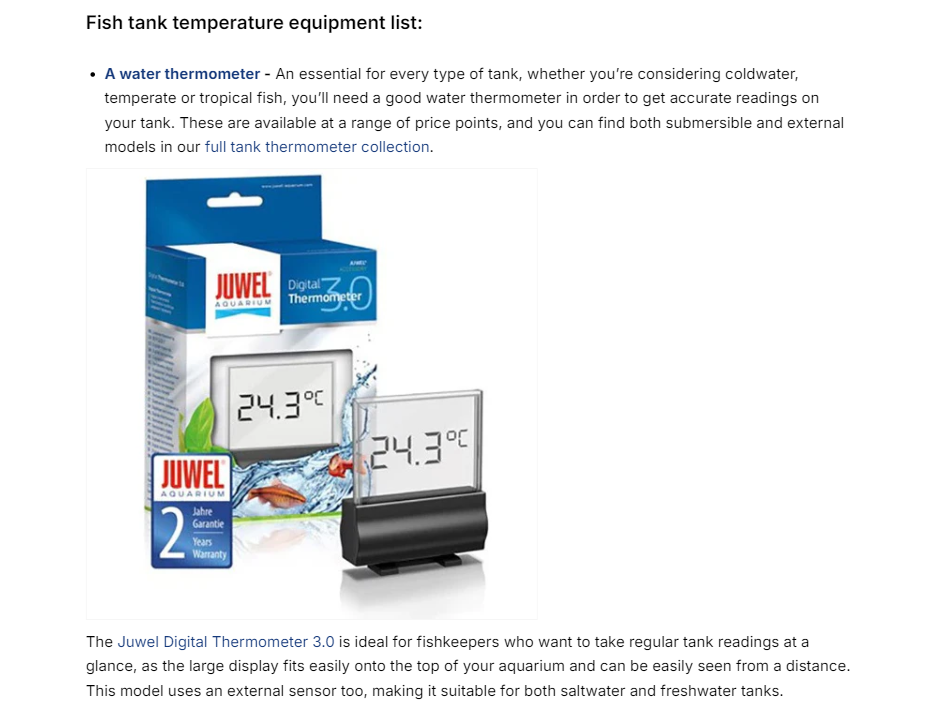
Where appropriate, weave relevant products throughout your blog posts with high quality images and clear product names. You may also want to include prices so potential customers have all of the information they need upfront. This way, readers can find the products you’re talking about easily and quickly, without having to go off and search for them, making the transition from blog to product page seamless.
Refresh your existing content
As well as creating new blogs on a regular basis, you should also factor existing blogs into your content strategy. By keeping consistently top-performing blogs updated and refreshed, you are more likely to retain ranking positions, organic traffic and ultimately, conversions.
A great example of this is Aquacadabra’s “how to get rid of cloudy water in a fish tank” blog, which we update on an annual basis and continues to be one of the best performing blogs on the site in terms of rankings, traffic and revenue.
How to measure the success of your blog posts
Now let’s take a look at some results.
In August 2024, the Aquacadabra blog accounted for 5% of total revenue, and 16% of total sessions. When measuring the success of your blog content, we’d recommend you pay close attention to indirect blog revenue (where a user has interacted with a blog URL at some point during their journey, rather than entered via that ), as this is where we can see the true value in terms of visitors using it to inform their purchases after conducting research.
Year on year, we’ve seen a 135% increase in views, a 137% increase in users and a 20% increase in engagement, further proving that giving your website’s blog some attention really does pay off.
Want results like these? Our content team can help you turn your website’s blog into a big revenue drive for your business. Send us a message to get started.
