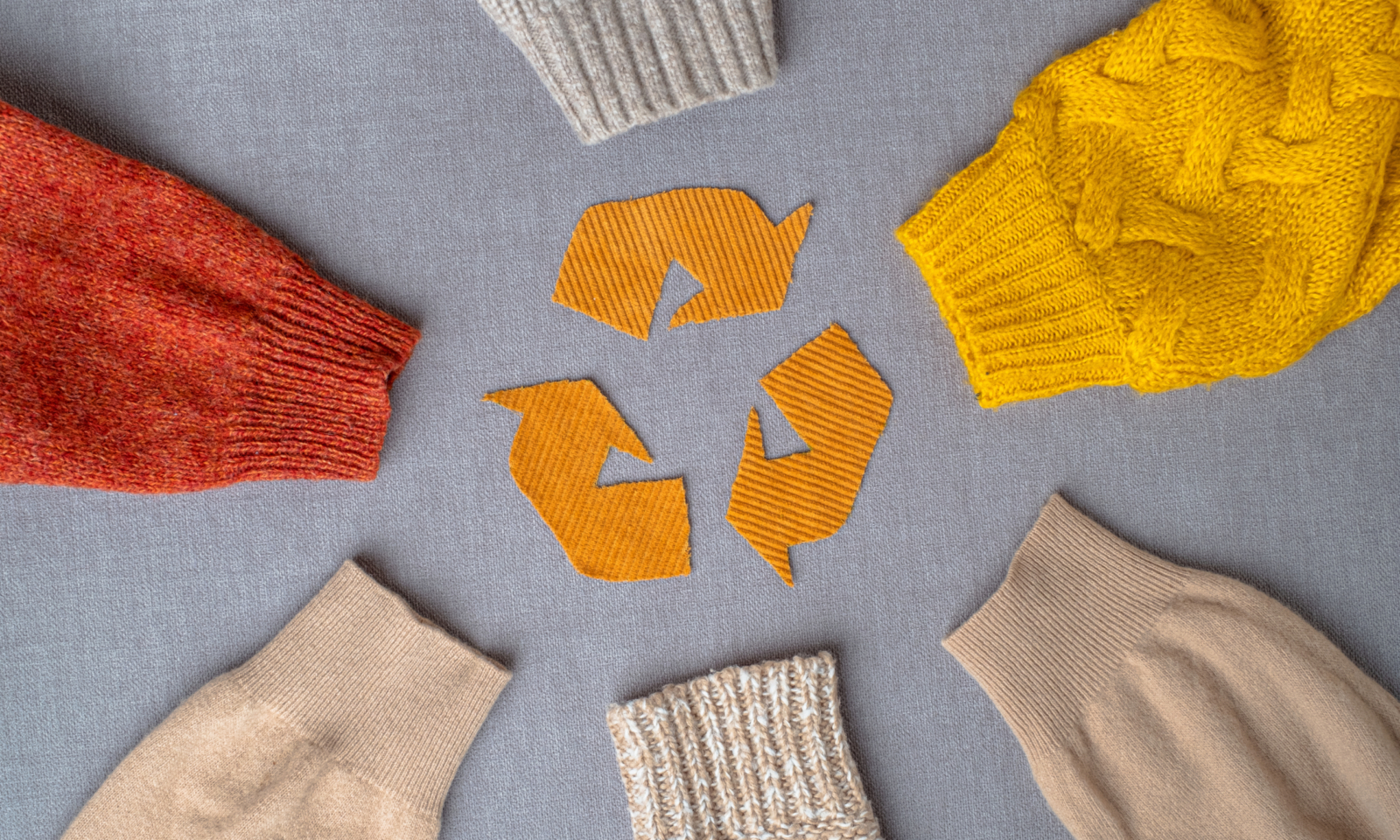
Resale has been trending in the retail industry for a while. We’ve all heard of Depop and eBay by now, but more and more retailers are launching their own resale platforms and capitalising on the rising demand for pre-loved.
From the cost of living crisis to environmental concerns, consumers want greener, more affordable shopping options and brands want a slice of the resale action.
Is it time to launch your own resale platform?
What is a resale platform?
Resale shopping refers to the act of purchasing pre-owned items. A resale platform refers to the places we go to find and buy these items online. The most well-known resale platforms are Depop and eBay, and although they are not exclusively for buying and selling second hand, it’s definitely what made them in the first place.
Whilst these big names have somewhat monopolised the resale market in the past, many brands have identified an opportunity to profit from the surge in demand for pre-loved items.
The brands making the most of the resale boom
IKEA
In August 2024, everyone’s favourite flat-pack furniture brand announced the trial of its own reselling platform in an attempt to compete with the likes of eBay and Gumtree. Whether it’s a bookcase, sofa or dining table, IKEA will now let you sell your pre-loved products on a newly established marketplace called IKEA Preowned. Initially, it’s being tested in Oslo and Madrid with plans to launch globally in the future.
Levi’s
In 2020, Levi’s launched Levi’s Secondhand on its own dedicated subdomain. Here fans of the iconic denim brand can snap up Levi’s signature styles at a lower price point. The results are evidence of the platform’s success, as the brand claims to have saved 60, 772lbs of waste from going to landfill to date. The Buy Back and Recommerce scheme offers incentives such as gift vouchers for trading in unwanted jeans, shorts and jackets, which are then resold.
Pretty Little Thing
PLT are just one of many fast-fashion brands who have come under fire in recent years for their impact on the environment, whether it be through unethical manufacturing practices or encouraging the “wear once, get rid” attitude that is prevalent among today’s Instagram audience. As a result, many climate activists were dubious when PLT announced the launch of a resale platform in 2022, called PLT Marketplace.
Speaking out on the launch, Chief Marketing Officer Nicki Capstick said that the brand wanted to be “the first fashion brand to launch a resale site with the ability to integrate the customers’ previous PLT purchases into their wardrobe.”
Users are able to resell both their pre-loved PLT pieces as well as items from other brands.
A step in the right direction or another move towards greenwashing? We’ll let you decide on that particular issue, but it’s clear that PLT has paid attention to the latest ecommerce trends and adapted accordingly.
Barbour
A Barbour jacket is a timeless piece of clothing, which is probably why the Barbour Reloved initiative works so well. Taking old Barbour jackets that are no longer wanted, the classically British brand takes these items and repairs them in their South Shields headquarters. You’ll get a £50 voucher in return, the jacket will be “rehomed”, increasing product lifespan and reducing waste.
6 ways reselling could benefit your business
1. It’s more sustainable
These days, circularity and identifying the ways in which we can each reduce our own impact on the planet is crucial. Reselling old belongings means they are being taken care of rather than simply disposed of. Of course, there are times when an item is simply no longer usable, but making an effort to repair and resell can significantly reduce the amount of landfill waste.
2. It adds an additional revenue stream
Reselling can also increase profitability by charging listing fees, taking a percentage of each sale, or even by offering refurbishment services at a premium. By adding a resale channel to your selling strategy, you’re essentially opening up a whole new revenue stream that was previously unavailable to you. You can also sell slightly damaged items through this platform, reducing waste and turning potential losses into profit.
3. It’s more inclusive
If the products you sell have a higher price point, a resale platform could open up a whole new demographic. Used items are naturally going to be priced lower than brand-new ones, and there are many consumers who actively seek out pre-loved products, as buying new just isn’t within their budget.
4. It retains customer loyalty
When customers know they can resell their previous purchases, they’re more likely to buy new products, confident that they can recoup some of their investment. This not only increases the likelihood of repeat purchases but also encourages brand loyalty, especially if an incentive is offered in exchange for pre-loved items. If a customer has a voucher or discount code, they’re likely going to use it. A win-win for both the planet and your business.
5. It offers more control over your brand
With reselling becoming the norm, the fact of the matter is this: if you aren’t reselling your products, someone else probably is. If you’re running your own resale platform, you have a lot more control over the quality and authenticity of the products being resold, as well as being able to offer excellent customer service, which will help you protect your brand’s image.
6. You’ll gain useful data & insights
Resale platforms provide valuable data on customer preferences, buying behaviour, and product longevity. By analysing which items are frequently resold or hold their value over time, businesses can gain insights into product durability and customer satisfaction. This information can inform product development, marketing strategies, and inventory management, leading to more informed business decisions.
Ready to resell?
When it comes to making resale a part of your ecommerce strategy, there are several things to consider. Will you integrate this platform into your existing website, or build a whole new one? Will you launch a trade-in program? How should you market this new sales channel?
That’s where an experienced ecommerce agency comes in.
From website development to digital marketing, we know first-hand what goes into the launch of a new ecommerce venture. Plus, we’ve got a wealth of experience working with sustainable brands – send us a message and we’ll be in touch.
